CAT | ESP
  • NOTÍCIES EF
    • Estatal
    • Internacional
  • VIDEOS
    • Lliçons Financeres
    • Llistat
    • Veure’ls tots
  • Mapa EF
  • Agenda
  • Publicacions EF
    • General
    • Documents oficials
    • Material Docent
  • ENLLAÇOS
    • RECURSOS
      • HISPANOPARLANTS
      • Internacionals
      • Blocs & Revistes
      • Aplicacions
    • PROJECTES
      • Hispanoparlants
      • Internacionals
      • Governamentals
    • 5 millors webs Educació Financera en castellà
    • 7 webs educació financera per a joves
    • 5 webs internacionals Educació Financera
  • IEF
    • PROJECTES IEF
      • EFEC
      • EFEP
    • DIVULGACIÓ IEF
  • Nosaltres
Home “El sistema de pensions aprovat el 2010 té més forats que un formatge de gruyer, és insostenible”

“El sistema de pensions aprovat el 2010 té més forats que un formatge de gruyer, és insostenible”


“Es necesario ahorrar durante los primeros 40 años de vida para poder vivir cómodamente durante los segundos 40″, asegura Díaz Jiménez.

PUBLICACIÓ: Com resoldre el misteri de la jubilació
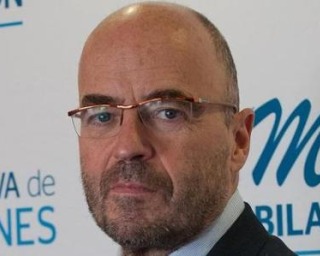
La seguridad social gestionada por el estado es la base sobre la que se sostiene el actual régimen de pensiones en España. Este modelo, particular entre los países europeos de características similares, limita el ahorro privado a una rol secundario. Javier Díaz Jiménez, profesor en IESE y experto en jubilaciones, afirma que el sistema actual está gravemente atrasado y requiere de una pronta renovación.

“Ha llegado un momento en el que tenemos que empezar a pensar fuera de la camisa de fuerza que nos impone este sistema de reparto”, dice. Porque el camino no lleva a nada bueno. “Los tipos en España son excepcionalmente altos y los topes de cotización excepcionalmente bajos: hemos de pensar cuánto ahorramos, las cotizaciones que pagamos y cómo se gestionan esas cotizaciones porque la forma actual no responde ni a una lógica económica de incentivos ni a una lógica actuarial”.

En su opinión, de seguir así las cosas, vamos a evolucionar hacia una pensión básica: “Habrá una convergencia entre pensiones máximas y mínimas que desembocará en una pensión básica regular, tirando a mala, que solo unos complementarán con mecanismos de ahorro que también son mejorables”. En su opinión, el ahorro debería ser obligatorio y la gestión de los mecanismos de ahorro, más barata.

Porque, en su opinión, hagamos lo que hagamos terminaremos en el mismo sitio, “no hay otro”: “Tenemos que ahorrar lo suficiente durante los 40 años de vida laboral para consumir durante otros 20, 30 o 40 años. Ésa es la cuenta”, asegura; una cuenta que, teniendo en cuenta cómo evolucionarán las pensiones públicas, podría obligar a un ahorro equivalente a la mitad del salario.

Modelo sueco-chileno

Para no tener que llegar a esos extremos, Díaz-Jiménez aboga por reformar el sistema, y su modelo de pensiones es una combinación de un sistema de reparto más pequeño que el actual y claramente contributivo, basado probablemente en cuentas nocionales (como el modelo sueco), junto a una parte muy importante (al menos la mitad) de ahorro obligatorio capitalizado, gestionado por una agencia de pensiones intermediaria entre los trabajadores y los gestores de esos planes. Así,combinar un reparto de cuentas nocionales estilo sueco y un sistema de planes personales parecido al chileno es una de las posibles recetas.

Porque el experto está convencido de que hay que reformar el sistema. “Muchos dan por sentado que el sistema aprobado en 2010 es perfecto pero tiene más agujeros que queso gruyer: es incapaz de cumplir sus promesas en cuanto a pensiones”, dice. En su opinión, hay que preguntarse si los españoles vamos a tener en los próximos años las pensiones que merecemos y si hay mejores formas de garantizar la jubilación e incentivar el ahorro, para mejorar la vida tras la jubilación.

“El sistema antiguo está desbordado por la demografía y los cambios económicos. Lo que merece la sociedad española es una reflexión sobre cómo organizar la jubilación sin dar por hecho que el actual sistema es el punto de partida. No tenemos las mejores pensiones del planeta y hay un amplísimo margen para mejorarlas y vivir mejor en el futuro”.

El experto añadió que, más allá de las pensiones, el principal problema en España es el desempleo y la creación de empleo y necesitamos también una reforma profunda de las relaciones laborales en España sin la que “difícilmente arreglaremos el problema de las pensiones”.

Artículo publicado originalmente en Mi Jubilación BBVA.

oct 29, 2014Efec
Women are great money managersWomen are great money managers#LliçonsFinanceres 1: EL FONS D' EMERGÈNCIA#LeccionesFinancieras 1: EL FONDO DE EMERGENCIA
Newsletter

IEF
Agenda
  • Anterior
  • Siguiente
Print View
March 2015
L M X J V S D
23 24 25

Categoría: GeneralCurso: Financiación, comercio electrónico seguro y tus derechos como consumidor financiero (IBERCAJA OBRA SOCIAL)

Cerrar

25 February, 2015 6:00 pm – 8:00 pm

Mapa Centro Ibercaja Guadalajara

Curso impartido por Juan Isidoro Ciruelos. Voluntariado Ibercaja.

A través de estos talleres, con un lenguaje sencillo y accesible y sin necesidad de conocimiento previo, explicaremos las nociones básicas a tener en cuenta para manejar las finanzas domésticas. También se darán las claves para analizar la propia situación personal y todo lo que debemos saber para invertir nuestro dinero, pedir un préstamo, aprender a utilizar la banca online de forma segura, ahorrar para la jubilación, planificar mensualmente nuestros ingresos y gastos, etc.

Entrada libre, previa inscripción.

Curso: Financiación, comercio electrónico seguro y tus derechos como consumidor financiero (IBERCAJA OBRA SOCIAL)

Curso: Financiación, comercio electrónico seguro y tus derechos como consumidor financiero (IBERCAJA OBRA SOCIAL)
Cerrar
26 27 28 1
2 3 4 5 6 7 8
9

Categoría: GeneralEUROPEAN MONEY WEEK

Cerrar

9 March, 2015 N/A

European Money Week is an initiative that aims to raise public awareness on financial literacy and improving financial education for students from elementary and secondary schools. The week consists of a series of events in the participating countries and at a European level.
Ultimately, the objective is to improve the level of financial education in Europe.

European Money Week is an initiative of the European Banking Federation, coordinated by the EBF Financial Education Project Group involving national banking associations from across Europe.

EUROPEAN MONEY WEEK

EUROPEAN MONEY WEEK

Cerrar

Categoría: GeneralGlobal Money Week

Cerrar

9 March, 2015 N/A

Global Money Week is a worldwide celebration to empower the next generation to be confident, responsible and skilled economic citizens. Every year, during the second week of March, young people around the globe talk, play, create, sing, read, discuss and learn about saving, money, changing economic systems and building a financial future for youth. It is about joining together – children, youth, parents, organizations and entire communities - to start action to reshape finance, and give young people the tools to shape their own future.

Global Money Week

Global Money Week

Cerrar

Categoría: General"Tus Finanzas, Tu Futuro"

Cerrar

9 March, 2015 N/A

Más de 5.500 alumnos de toda España se beneficiarán del programa “Tus finanzas, tu futuro” impartido por la Asociación Española de la Banca en colaboración con la Fundación Junior Achievement

"Tus Finanzas, Tu Futuro"

Cerrar
10

Categoría: GeneralEUROPEAN MONEY WEEK

Cerrar

10 March, 2015 N/A

European Money Week is an initiative that aims to raise public awareness on financial literacy and improving financial education for students from elementary and secondary schools. The week consists of a series of events in the participating countries and at a European level.
Ultimately, the objective is to improve the level of financial education in Europe.

European Money Week is an initiative of the European Banking Federation, coordinated by the EBF Financial Education Project Group involving national banking associations from across Europe.

EUROPEAN MONEY WEEK

EUROPEAN MONEY WEEK

Cerrar

Categoría: GeneralGlobal Money Week

Cerrar

10 March, 2015 N/A

Global Money Week is a worldwide celebration to empower the next generation to be confident, responsible and skilled economic citizens. Every year, during the second week of March, young people around the globe talk, play, create, sing, read, discuss and learn about saving, money, changing economic systems and building a financial future for youth. It is about joining together – children, youth, parents, organizations and entire communities - to start action to reshape finance, and give young people the tools to shape their own future.

Global Money Week

Global Money Week

Cerrar
11

Categoría: GeneralEUROPEAN MONEY WEEK

Cerrar

11 March, 2015 N/A

European Money Week is an initiative that aims to raise public awareness on financial literacy and improving financial education for students from elementary and secondary schools. The week consists of a series of events in the participating countries and at a European level.
Ultimately, the objective is to improve the level of financial education in Europe.

European Money Week is an initiative of the European Banking Federation, coordinated by the EBF Financial Education Project Group involving national banking associations from across Europe.

EUROPEAN MONEY WEEK

EUROPEAN MONEY WEEK

Cerrar

Categoría: GeneralGlobal Money Week

Cerrar

11 March, 2015 N/A

Global Money Week is a worldwide celebration to empower the next generation to be confident, responsible and skilled economic citizens. Every year, during the second week of March, young people around the globe talk, play, create, sing, read, discuss and learn about saving, money, changing economic systems and building a financial future for youth. It is about joining together – children, youth, parents, organizations and entire communities - to start action to reshape finance, and give young people the tools to shape their own future.

Global Money Week

Global Money Week

Cerrar
12

Categoría: GeneralEUROPEAN MONEY WEEK

Cerrar

12 March, 2015 N/A

European Money Week is an initiative that aims to raise public awareness on financial literacy and improving financial education for students from elementary and secondary schools. The week consists of a series of events in the participating countries and at a European level.
Ultimately, the objective is to improve the level of financial education in Europe.

European Money Week is an initiative of the European Banking Federation, coordinated by the EBF Financial Education Project Group involving national banking associations from across Europe.

EUROPEAN MONEY WEEK

EUROPEAN MONEY WEEK

Cerrar

Categoría: GeneralGlobal Money Week

Cerrar

12 March, 2015 N/A

Global Money Week is a worldwide celebration to empower the next generation to be confident, responsible and skilled economic citizens. Every year, during the second week of March, young people around the globe talk, play, create, sing, read, discuss and learn about saving, money, changing economic systems and building a financial future for youth. It is about joining together – children, youth, parents, organizations and entire communities - to start action to reshape finance, and give young people the tools to shape their own future.

Global Money Week

Global Money Week

Cerrar
13

Categoría: GeneralGlobal Money Week

Cerrar

13 March, 2015 N/A

Global Money Week is a worldwide celebration to empower the next generation to be confident, responsible and skilled economic citizens. Every year, during the second week of March, young people around the globe talk, play, create, sing, read, discuss and learn about saving, money, changing economic systems and building a financial future for youth. It is about joining together – children, youth, parents, organizations and entire communities - to start action to reshape finance, and give young people the tools to shape their own future.

Global Money Week

Global Money Week

Cerrar
14

Categoría: GeneralGlobal Money Week

Cerrar

14 March, 2015 N/A

Global Money Week is a worldwide celebration to empower the next generation to be confident, responsible and skilled economic citizens. Every year, during the second week of March, young people around the globe talk, play, create, sing, read, discuss and learn about saving, money, changing economic systems and building a financial future for youth. It is about joining together – children, youth, parents, organizations and entire communities - to start action to reshape finance, and give young people the tools to shape their own future.

Global Money Week

Global Money Week

Cerrar
15

Categoría: GeneralGlobal Money Week

Cerrar

15 March, 2015 N/A

Global Money Week is a worldwide celebration to empower the next generation to be confident, responsible and skilled economic citizens. Every year, during the second week of March, young people around the globe talk, play, create, sing, read, discuss and learn about saving, money, changing economic systems and building a financial future for youth. It is about joining together – children, youth, parents, organizations and entire communities - to start action to reshape finance, and give young people the tools to shape their own future.

Global Money Week

Global Money Week

Cerrar
16

Categoría: GeneralGlobal Money Week

Cerrar

16 March, 2015 N/A

Global Money Week is a worldwide celebration to empower the next generation to be confident, responsible and skilled economic citizens. Every year, during the second week of March, young people around the globe talk, play, create, sing, read, discuss and learn about saving, money, changing economic systems and building a financial future for youth. It is about joining together – children, youth, parents, organizations and entire communities - to start action to reshape finance, and give young people the tools to shape their own future.

Global Money Week

Global Money Week

Cerrar
17 18 19 20 21 22
23 24 25 26 27 28 29
30 31 1 2 3 4 5

Categorías

  • General
EFFEC
Tags
EstatalEDUCACION FINANCIERAEducació Financerafinancial literacyEducaciónjóvenesahorroIEFocdeUSAcatalunyafinanzas personalesmaterial docenteEFECamerica latinaUEeconomía domésticaeuropapisaUKcnmvinversorEducaciójubilaciónefpaPROGRAMA EFECappcatalàdinerodinerseducació financieranensniñoscrèditcréditofinances personalscrisishipotecaresearchwebAgendaDebtpayday loanscinechile
Newsletter

IEF
2014 © Educació Financera