CAT | ESP
  • NOTÍCIES EF
    • Estatal
    • Internacional
  • VIDEOS
    • Lliçons Financeres
    • Llistat
    • Veure’ls tots
  • Mapa EF
  • Agenda
  • Publicacions EF
    • General
    • Documents oficials
    • Material Docent
  • ENLLAÇOS
    • RECURSOS
      • HISPANOPARLANTS
      • Internacionals
      • Blocs & Revistes
      • Aplicacions
    • PROJECTES
      • Hispanoparlants
      • Internacionals
      • Governamentals
    • 5 millors webs Educació Financera en castellà
    • 7 webs educació financera per a joves
    • 5 webs internacionals Educació Financera
  • IEF
    • PROJECTES IEF
      • EFEC
      • EFEP
    • DIVULGACIÓ IEF
  • Nosaltres
Home L’economia necessita reflexar el món post-crisi

L’economia necessita reflexar el món post-crisi

26/9/2014 - La triste ciencia debería anclarse a la realidad para seguir siendo relevante.
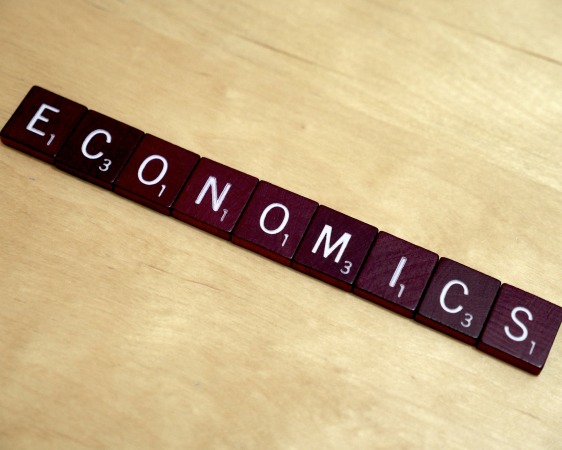
Info imagen: www.lendingmemo.com.

Cuando en 2008 la economía global entró en crisis la lista de culpables era larga, incluyendo a reguladores descuidados, banqueros codiciosos e incompetentes deudores subprime. Ahora la triste ciencia está estática, buscando insistentemente en su interior el por qué los economistas fallaron en predecir la crisis financiera. Uno de los resultados de este debate es que los estudiantes de economía demandan reformas en el plan de estudios que creen tiene huellas de capitalismo egoísta y está dominado por matemáticas abstractas. Parece que los estudiantes se saldrán con la suya. Un nuevo plan de estudios, diseñado en la Universidad de Oxford, está siendo testado. Éstas son buenas noticias.

Los defensores del status quo han contra atacado, señalando a la gran cantidad de pensadores economistas heterodoxos. Profundicemos lo suficiente y encontraremos gran cantidad de tratados académicos sobre el pánico bancario, ciclos inestables de crédito y mercados irracionales. Que la gente sea egoísta y que los negocios persigan el beneficio no es un fallo de la economía sino de la naturaleza humana. Predecir el futuro con certeza es una prueba irreal para cualquier disciplina académica, especialmente para una que abarque ilimitadas interacciones humanas.

Pero el punto fundamental que señalan los críticos es correcto. Para un tema tan relacionado con el estudio del comportamiento mundano, hay demasiada abstracción intemporal y poco escrutinio de los hechos del mundo real. El curso típico de economía empieza estudiando cómo interactúan los agentes racionales en los mercados sin fricción, produciendo un resultado que es el mejor para cada uno. No es hasta más tarde cuando se trata de las imperfecciones y perversidades que caracterizan el comportamiento económico real, como las prácticas anti competitivas o los inestables mercados financieros. Según avanzan los estudiantes aumenta el sesgo hacia la elegancia de las matemáticas. Cuando el desagradable mundo real se entromete es cuando salta la pregunta: ¿Esto está muy bien en la práctica pero cómo funciona en teoría?

Este sesgo teórico dejó a la disciplina inmune al cambio en un momento crucial. Cuando en 2005 Raghuram Rajan, ahora gobernador del Banco Central de India, advirtió que la innovación financiera se había vuelto una fuente de inestabilidad, su aviso fue desechado por estar “ligeramente impregnado de ludismo”. Su llamada para una mayor supervisión preventiva de los bancos fue ignorado.

Afortunadamente los pasos necesarios para acercar la enseñanza de la economía al mundo real no requieren la invención de algo nuevo o exótico. El plan de estudios debería abarcar la historia económica y prestar más atención a los pensadores no ortodoxos como Joseph Schumpeter, Friedich Hayek y – sí – incluso Karl Marx. Las facultades necesitan restablecer los enlaces con otros campos tales como la psicología y la antropología, cuyas enseñanzas pueden explicar los fenómenos que la economía no puede. Los profesores de economía deberían hacer del estudio de la competencia imperfecta – y cómo actúa la gente en condiciones de incertidumbre – el punto de inicio de los cursos, no algo posterior.

Los modelos matemáticos deberían conservar su sitio, mientras que sus resultados no sean tomados demasiado literalmente. Pero muchos de los que son utilizados en los bancos centrales de hecho ignoran al sector financiero como fuente de inestabilidad. Remediar esto añadirá más complejidad. Las matemáticas se complicarán más.

Después de la crisis financiera la popularidad de los cursos de economía ha repuntado. Habiendo visto a la economía global despeñarse, los nuevos estudiantes no tolerarán clases anodinas sobre la sabiduría de los mercados. Demandarán más pluralismo y humildad en un tema que de hecho ha sobrevalorado el purismo y la certeza. La economía no debería ser enseñada como si se tratará del descubrimiento de leyes intemporales. Aquellos que promueven la disciplina deben recordar que, el centro de ella, es el comportamiento humano, con todo el desorden y la confusión que esto implica.

Artículo original de FxM Noticias | El diario de Finanzas para Mortales.

oct 3, 2014Efec
Afronta les teves pors financeres (anglès)Enfréntate a tus miedos financieros (inglés)Té sentit l'educació financera? (anglès)¿Tiene sentido la educación financiera? (inglés)
Newsletter

IEF
Agenda
  • Anterior
  • Siguiente
Print View
March 2015
L M X J V S D
23 24 25

Categoría: GeneralCurso: Financiación, comercio electrónico seguro y tus derechos como consumidor financiero (IBERCAJA OBRA SOCIAL)

Cerrar

25 February, 2015 6:00 pm – 8:00 pm

Mapa Centro Ibercaja Guadalajara

Curso impartido por Juan Isidoro Ciruelos. Voluntariado Ibercaja.

A través de estos talleres, con un lenguaje sencillo y accesible y sin necesidad de conocimiento previo, explicaremos las nociones básicas a tener en cuenta para manejar las finanzas domésticas. También se darán las claves para analizar la propia situación personal y todo lo que debemos saber para invertir nuestro dinero, pedir un préstamo, aprender a utilizar la banca online de forma segura, ahorrar para la jubilación, planificar mensualmente nuestros ingresos y gastos, etc.

Entrada libre, previa inscripción.

Curso: Financiación, comercio electrónico seguro y tus derechos como consumidor financiero (IBERCAJA OBRA SOCIAL)
Curso: Financiación, comercio electrónico seguro y tus derechos como consumidor financiero (IBERCAJA OBRA SOCIAL)
Cerrar
26 27 28 1
2 3 4 5 6 7 8
9

Categoría: GeneralEUROPEAN MONEY WEEK

Cerrar

9 March, 2015 N/A

European Money Week is an initiative that aims to raise public awareness on financial literacy and improving financial education for students from elementary and secondary schools. The week consists of a series of events in the participating countries and at a European level.
Ultimately, the objective is to improve the level of financial education in Europe.

European Money Week is an initiative of the European Banking Federation, coordinated by the EBF Financial Education Project Group involving national banking associations from across Europe.

EUROPEAN MONEY WEEK

EUROPEAN MONEY WEEK

Cerrar

Categoría: GeneralGlobal Money Week

Cerrar

9 March, 2015 N/A

Global Money Week is a worldwide celebration to empower the next generation to be confident, responsible and skilled economic citizens. Every year, during the second week of March, young people around the globe talk, play, create, sing, read, discuss and learn about saving, money, changing economic systems and building a financial future for youth. It is about joining together – children, youth, parents, organizations and entire communities - to start action to reshape finance, and give young people the tools to shape their own future.

Global Money Week

Global Money Week

Cerrar

Categoría: General"Tus Finanzas, Tu Futuro"

Cerrar

9 March, 2015 N/A

Más de 5.500 alumnos de toda España se beneficiarán del programa “Tus finanzas, tu futuro” impartido por la Asociación Española de la Banca en colaboración con la Fundación Junior Achievement

"Tus Finanzas, Tu Futuro"

Cerrar
10

Categoría: GeneralEUROPEAN MONEY WEEK

Cerrar

10 March, 2015 N/A

European Money Week is an initiative that aims to raise public awareness on financial literacy and improving financial education for students from elementary and secondary schools. The week consists of a series of events in the participating countries and at a European level.
Ultimately, the objective is to improve the level of financial education in Europe.

European Money Week is an initiative of the European Banking Federation, coordinated by the EBF Financial Education Project Group involving national banking associations from across Europe.

EUROPEAN MONEY WEEK

EUROPEAN MONEY WEEK

Cerrar

Categoría: GeneralGlobal Money Week

Cerrar

10 March, 2015 N/A

Global Money Week is a worldwide celebration to empower the next generation to be confident, responsible and skilled economic citizens. Every year, during the second week of March, young people around the globe talk, play, create, sing, read, discuss and learn about saving, money, changing economic systems and building a financial future for youth. It is about joining together – children, youth, parents, organizations and entire communities - to start action to reshape finance, and give young people the tools to shape their own future.

Global Money Week

Global Money Week

Cerrar
11

Categoría: GeneralEUROPEAN MONEY WEEK

Cerrar

11 March, 2015 N/A

European Money Week is an initiative that aims to raise public awareness on financial literacy and improving financial education for students from elementary and secondary schools. The week consists of a series of events in the participating countries and at a European level.
Ultimately, the objective is to improve the level of financial education in Europe.

European Money Week is an initiative of the European Banking Federation, coordinated by the EBF Financial Education Project Group involving national banking associations from across Europe.

EUROPEAN MONEY WEEK

EUROPEAN MONEY WEEK

Cerrar

Categoría: GeneralGlobal Money Week

Cerrar

11 March, 2015 N/A

Global Money Week is a worldwide celebration to empower the next generation to be confident, responsible and skilled economic citizens. Every year, during the second week of March, young people around the globe talk, play, create, sing, read, discuss and learn about saving, money, changing economic systems and building a financial future for youth. It is about joining together – children, youth, parents, organizations and entire communities - to start action to reshape finance, and give young people the tools to shape their own future.

Global Money Week

Global Money Week

Cerrar
12

Categoría: GeneralEUROPEAN MONEY WEEK

Cerrar

12 March, 2015 N/A

European Money Week is an initiative that aims to raise public awareness on financial literacy and improving financial education for students from elementary and secondary schools. The week consists of a series of events in the participating countries and at a European level.
Ultimately, the objective is to improve the level of financial education in Europe.

European Money Week is an initiative of the European Banking Federation, coordinated by the EBF Financial Education Project Group involving national banking associations from across Europe.

EUROPEAN MONEY WEEK

EUROPEAN MONEY WEEK

Cerrar

Categoría: GeneralGlobal Money Week

Cerrar

12 March, 2015 N/A

Global Money Week is a worldwide celebration to empower the next generation to be confident, responsible and skilled economic citizens. Every year, during the second week of March, young people around the globe talk, play, create, sing, read, discuss and learn about saving, money, changing economic systems and building a financial future for youth. It is about joining together – children, youth, parents, organizations and entire communities - to start action to reshape finance, and give young people the tools to shape their own future.

Global Money Week

Global Money Week

Cerrar
13

Categoría: GeneralGlobal Money Week

Cerrar

13 March, 2015 N/A

Global Money Week is a worldwide celebration to empower the next generation to be confident, responsible and skilled economic citizens. Every year, during the second week of March, young people around the globe talk, play, create, sing, read, discuss and learn about saving, money, changing economic systems and building a financial future for youth. It is about joining together – children, youth, parents, organizations and entire communities - to start action to reshape finance, and give young people the tools to shape their own future.

Global Money Week

Global Money Week

Cerrar
14

Categoría: GeneralGlobal Money Week

Cerrar

14 March, 2015 N/A

Global Money Week is a worldwide celebration to empower the next generation to be confident, responsible and skilled economic citizens. Every year, during the second week of March, young people around the globe talk, play, create, sing, read, discuss and learn about saving, money, changing economic systems and building a financial future for youth. It is about joining together – children, youth, parents, organizations and entire communities - to start action to reshape finance, and give young people the tools to shape their own future.

Global Money Week

Global Money Week

Cerrar
15

Categoría: GeneralGlobal Money Week

Cerrar

15 March, 2015 N/A

Global Money Week is a worldwide celebration to empower the next generation to be confident, responsible and skilled economic citizens. Every year, during the second week of March, young people around the globe talk, play, create, sing, read, discuss and learn about saving, money, changing economic systems and building a financial future for youth. It is about joining together – children, youth, parents, organizations and entire communities - to start action to reshape finance, and give young people the tools to shape their own future.

Global Money Week

Global Money Week

Cerrar
16

Categoría: GeneralGlobal Money Week

Cerrar

16 March, 2015 N/A

Global Money Week is a worldwide celebration to empower the next generation to be confident, responsible and skilled economic citizens. Every year, during the second week of March, young people around the globe talk, play, create, sing, read, discuss and learn about saving, money, changing economic systems and building a financial future for youth. It is about joining together – children, youth, parents, organizations and entire communities - to start action to reshape finance, and give young people the tools to shape their own future.

Global Money Week

Global Money Week

Cerrar
17 18 19 20 21 22
23 24 25 26 27 28 29
30 31 1 2 3 4 5

Categorías

  • General
EFFEC
Tags
EstatalEDUCACION FINANCIERAEducació Financerafinancial literacyEducaciónjóvenesahorroIEFocdeUSAcatalunyafinanzas personalesmaterial docenteEFECamerica latinaUEeconomía domésticaeuropapisaUKcnmvinversorEducaciójubilaciónefpaPROGRAMA EFECappcatalàdinerodinerseducació financieranensniñoscrèditcréditofinances personalscrisishipotecaresearchwebAgendaDebtpayday loanscinechile
Newsletter

IEF
2014 © Educació Financera