CAT | ESP
  • EF NOTÍCIAS
    • España
    • Mundo
  • VIDEOS
    • Lecciones Financieras
    • Ver como lista
    • Ver todos
  • EF mapa
  • Agenda
  • Publicaciones EF
    • General
    • Documentos oficiales
    • Material Docente
  • ENLACES
    • RECURSOS
      • EN CASTELLANO
      • Internacionales
      • Blogs & Revistas
      • Aplicaciones
    • PROYECTOS
      • En Castellano
      • Internacionales
      • Gubernamentales
    • 5 mejores webs Educación Financiera en castellano
    • 7 webs educación financiera para jóvenes
    • 5 webs internacionales Educación Financiera
  • IEF
    • PROYECTOS IEF
      • EFEC
      • EFEP
    • DIVULGACIÓN IEF
  • Nosotros
Home Las clases de tarjetas de crédito

Las clases de tarjetas de crédito


El usuario común usa la tarjeta de crédito mayoritariamente para comprar en tiendas. En este caso no es indispensable poseer una tarjeta especializada con beneficios extra pero que implique más costes.
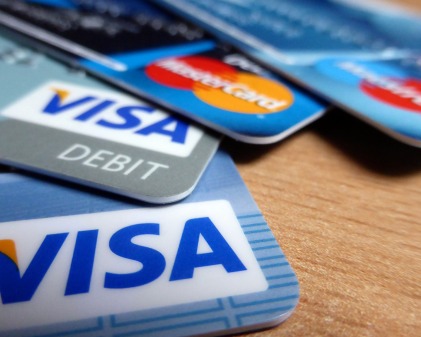
Foto de Sean MacEntee (https://www.flickr.com/photos/smemon)

Comúnmente, para elegir una tarjeta le dicen que tome en cuenta la tasa de interés, las comisiones y recargos, o bien “considerar el costo anual total de la tarjeta, su costo intrínseco. Pero hay muchas otras cosas que balancear en la ecuación”, comenta Ricardo Torres, director ejecutivo de tarjetas de crédito Scotiabank en el marco de la Semana Nacional de Educación Financiera.

En efecto, los aspectos cuantitativos son importantes, pero hay otras cuestiones que lo pueden orientar sin tener que sumergirse totalmente en un mar de cifras.

VÍDEO: Tarjeta de crédito Vs Tarjeta de débito

La pirámide del crédito

Una de esas cuestiones, agregó Torres, es saber que las tarjetas de crédito se van construyendo a manera de pirámide. Al conocer los niveles de esta construcción, se puede elegir una de manera adecuada y saber qué costos y beneficios esperar de ella.

El primer nivel de esta pirámide es el de la tarjeta básica. El costo de poseer una así es el menor del mercado, pero también los beneficios que ofrece son los básicos y regulatorios, como tener línea de crédito, un convenio de pago o no generar intereses si se liquida la totalidad del crédito antes de la fecha de corte, enlistó Torres.

“Si alguien comienza a conocer el crédito y las cosas que son intrínsecas a la tarjeta, se puede quedar en ese nivel”, comentó Torres.

El siguiente nivel es de plásticos que incluyen seguros, asistencias o incluso programas de lealtad. Al adquirir este tipo de tarjetas, es importante ir conociendo sus beneficios para sacarles provecho. Por ejemplo, pueden “incluir seguros de viaje, que en caso de accidente o fallecimiento en un transporte que fue liquidado con la tarjeta, su seguro cubre por montos desde 1,000 dólares en adelante”, por lo cual no habría necesidad de comprar seguros adicionales si es viajero frecuente, explicó.

Los dos últimos niveles son el de beneficios exclusivos y el de atención premium. Las tarjetas del primer tipo ya ofrecen servicios exclusivos como acceso a salones de espera en el aeropuerto o un valet parking, por ejemplo. Finalmente, en las de atención premium, ubicadas en la punta de la pirámide, lo que se ofrece es, por ejemplo, un servicio de concierge -asistente personal- todo el día “para lo que se le ocurra, como para reservar en un restaurante que siempre está lleno”.

¿Gastamos más si compramos con tarjeta de crédito?

Elija bien su nivel

“En principio, se debe saber que las tarjetas en niveles superiores tienen una cuota más alta, pero también cuentan con beneficios mayores”, detalló Torres. Y por ello, debe saber para qué la necesita.

Así, por ejemplo, una tarjeta con seguro de viaje incluido sería un costo innecesario para una persona que no viaja casi nunca. Por el contrario, una tarjeta con beneficios exclusivos para eventos sería provechosa para un melómano.

Una tarjeta básica sería la adecuada para alguien que sólo tenga necesidades financieras; sin embargo, hay que considerar que en los niveles más altos de la pirámide, el banco ya conoce más a sus clientes y las tasas de interés suelen ser más bajas, porque hay menor riesgo de que incumplan sus pagos.

Al final, toda buena relación comienza por uno mismo, cuando sabe lo que necesita.

Lee el artículo completo en El Economista.
ene 31, 2015Efec
Educació Financera, el millor regal per al dia del nen.Educación Financiera, el mejor regalo para el día del niño.La protecció global dels consumidors, a debat entre ADICAE i la ONULa protección global de los consumidores, a debate entre ADICAE y la ONU
Newsletter

IEF
Agenda
  • Anterior
  • Siguiente
Print View
marzo 2015
L M X J V S D
23 24 25

Categoría: GeneralCurso: Financiación, comercio electrónico seguro y tus derechos como consumidor financiero (IBERCAJA OBRA SOCIAL)

Cerrar

25 febrero, 2015 6:00 pm – 8:00 pm

Mapa Centro Ibercaja Guadalajara

Curso impartido por Juan Isidoro Ciruelos. Voluntariado Ibercaja.

A través de estos talleres, con un lenguaje sencillo y accesible y sin necesidad de conocimiento previo, explicaremos las nociones básicas a tener en cuenta para manejar las finanzas domésticas. También se darán las claves para analizar la propia situación personal y todo lo que debemos saber para invertir nuestro dinero, pedir un préstamo, aprender a utilizar la banca online de forma segura, ahorrar para la jubilación, planificar mensualmente nuestros ingresos y gastos, etc.

Entrada libre, previa inscripción.

Curso: Financiación, comercio electrónico seguro y tus derechos como consumidor financiero (IBERCAJA OBRA SOCIAL)
Curso: Financiación, comercio electrónico seguro y tus derechos como consumidor financiero (IBERCAJA OBRA SOCIAL)
Cerrar
26 27 28 1
2 3 4 5 6 7 8
9

Categoría: GeneralEUROPEAN MONEY WEEK

Cerrar

9 marzo, 2015 N/A

European Money Week is an initiative that aims to raise public awareness on financial literacy and improving financial education for students from elementary and secondary schools. The week consists of a series of events in the participating countries and at a European level.
Ultimately, the objective is to improve the level of financial education in Europe.

European Money Week is an initiative of the European Banking Federation, coordinated by the EBF Financial Education Project Group involving national banking associations from across Europe.

EUROPEAN MONEY WEEK

EUROPEAN MONEY WEEK

Cerrar

Categoría: GeneralGlobal Money Week

Cerrar

9 marzo, 2015 N/A

Global Money Week is a worldwide celebration to empower the next generation to be confident, responsible and skilled economic citizens. Every year, during the second week of March, young people around the globe talk, play, create, sing, read, discuss and learn about saving, money, changing economic systems and building a financial future for youth. It is about joining together – children, youth, parents, organizations and entire communities - to start action to reshape finance, and give young people the tools to shape their own future.

Global Money Week

Global Money Week

Cerrar

Categoría: General"Tus Finanzas, Tu Futuro"

Cerrar

9 marzo, 2015 N/A

Más de 5.500 alumnos de toda España se beneficiarán del programa “Tus finanzas, tu futuro” impartido por la Asociación Española de la Banca en colaboración con la Fundación Junior Achievement

"Tus Finanzas, Tu Futuro"

Cerrar
10

Categoría: GeneralEUROPEAN MONEY WEEK

Cerrar

10 marzo, 2015 N/A

European Money Week is an initiative that aims to raise public awareness on financial literacy and improving financial education for students from elementary and secondary schools. The week consists of a series of events in the participating countries and at a European level.
Ultimately, the objective is to improve the level of financial education in Europe.

European Money Week is an initiative of the European Banking Federation, coordinated by the EBF Financial Education Project Group involving national banking associations from across Europe.

EUROPEAN MONEY WEEK

EUROPEAN MONEY WEEK

Cerrar

Categoría: GeneralGlobal Money Week

Cerrar

10 marzo, 2015 N/A

Global Money Week is a worldwide celebration to empower the next generation to be confident, responsible and skilled economic citizens. Every year, during the second week of March, young people around the globe talk, play, create, sing, read, discuss and learn about saving, money, changing economic systems and building a financial future for youth. It is about joining together – children, youth, parents, organizations and entire communities - to start action to reshape finance, and give young people the tools to shape their own future.

Global Money Week

Global Money Week

Cerrar
11

Categoría: GeneralEUROPEAN MONEY WEEK

Cerrar

11 marzo, 2015 N/A

European Money Week is an initiative that aims to raise public awareness on financial literacy and improving financial education for students from elementary and secondary schools. The week consists of a series of events in the participating countries and at a European level.
Ultimately, the objective is to improve the level of financial education in Europe.

European Money Week is an initiative of the European Banking Federation, coordinated by the EBF Financial Education Project Group involving national banking associations from across Europe.

EUROPEAN MONEY WEEK

EUROPEAN MONEY WEEK

Cerrar

Categoría: GeneralGlobal Money Week

Cerrar

11 marzo, 2015 N/A

Global Money Week is a worldwide celebration to empower the next generation to be confident, responsible and skilled economic citizens. Every year, during the second week of March, young people around the globe talk, play, create, sing, read, discuss and learn about saving, money, changing economic systems and building a financial future for youth. It is about joining together – children, youth, parents, organizations and entire communities - to start action to reshape finance, and give young people the tools to shape their own future.

Global Money Week

Global Money Week

Cerrar
12

Categoría: GeneralEUROPEAN MONEY WEEK

Cerrar

12 marzo, 2015 N/A

European Money Week is an initiative that aims to raise public awareness on financial literacy and improving financial education for students from elementary and secondary schools. The week consists of a series of events in the participating countries and at a European level.
Ultimately, the objective is to improve the level of financial education in Europe.

European Money Week is an initiative of the European Banking Federation, coordinated by the EBF Financial Education Project Group involving national banking associations from across Europe.

EUROPEAN MONEY WEEK

EUROPEAN MONEY WEEK

Cerrar

Categoría: GeneralGlobal Money Week

Cerrar

12 marzo, 2015 N/A

Global Money Week is a worldwide celebration to empower the next generation to be confident, responsible and skilled economic citizens. Every year, during the second week of March, young people around the globe talk, play, create, sing, read, discuss and learn about saving, money, changing economic systems and building a financial future for youth. It is about joining together – children, youth, parents, organizations and entire communities - to start action to reshape finance, and give young people the tools to shape their own future.

Global Money Week

Global Money Week

Cerrar
13

Categoría: GeneralGlobal Money Week

Cerrar

13 marzo, 2015 N/A

Global Money Week is a worldwide celebration to empower the next generation to be confident, responsible and skilled economic citizens. Every year, during the second week of March, young people around the globe talk, play, create, sing, read, discuss and learn about saving, money, changing economic systems and building a financial future for youth. It is about joining together – children, youth, parents, organizations and entire communities - to start action to reshape finance, and give young people the tools to shape their own future.

Global Money Week

Global Money Week

Cerrar
14

Categoría: GeneralGlobal Money Week

Cerrar

14 marzo, 2015 N/A

Global Money Week is a worldwide celebration to empower the next generation to be confident, responsible and skilled economic citizens. Every year, during the second week of March, young people around the globe talk, play, create, sing, read, discuss and learn about saving, money, changing economic systems and building a financial future for youth. It is about joining together – children, youth, parents, organizations and entire communities - to start action to reshape finance, and give young people the tools to shape their own future.

Global Money Week

Global Money Week

Cerrar
15

Categoría: GeneralGlobal Money Week

Cerrar

15 marzo, 2015 N/A

Global Money Week is a worldwide celebration to empower the next generation to be confident, responsible and skilled economic citizens. Every year, during the second week of March, young people around the globe talk, play, create, sing, read, discuss and learn about saving, money, changing economic systems and building a financial future for youth. It is about joining together – children, youth, parents, organizations and entire communities - to start action to reshape finance, and give young people the tools to shape their own future.

Global Money Week

Global Money Week

Cerrar
16

Categoría: GeneralGlobal Money Week

Cerrar

16 marzo, 2015 N/A

Global Money Week is a worldwide celebration to empower the next generation to be confident, responsible and skilled economic citizens. Every year, during the second week of March, young people around the globe talk, play, create, sing, read, discuss and learn about saving, money, changing economic systems and building a financial future for youth. It is about joining together – children, youth, parents, organizations and entire communities - to start action to reshape finance, and give young people the tools to shape their own future.

Global Money Week

Global Money Week

Cerrar
17 18 19 20 21 22
23 24 25 26 27 28 29
30 31 1 2 3 4 5

Categorías

  • General
EFFEC
Tags
EspañaEDUCACION FINANCIERAEducació Financerafinancial literacyEducaciónjóvenesahorroIEFocdeUSAcatalunyafinanzas personalesmaterial docenteEFECamerica latinaUEeconomía domésticaeuropapisaUKcnmvinversorEducaciójubilaciónefpaPROGRAMA EFECappcatalàdinerodinerseducació financieranensniñoscrèditcréditofinances personalscrisishipotecaresearchwebAgendaDebtpayday loanscinechile
Newsletter

IEF
2014 © Educació Financera