
CAT | ESP
  • EF NOTÍCIAS
    • España
    • Mundo
  • VIDEOS
    • Lecciones Financieras
    • Ver como lista
    • Ver todos
  • EF mapa
  • Agenda
  • Publicaciones EF
    • General
    • Documentos oficiales
    • Material Docente
  • ENLACES
    • RECURSOS
      • EN CASTELLANO
      • Internacionales
      • Blogs & Revistas
      • Aplicaciones
    • PROYECTOS
      • En Castellano
      • Internacionales
      • Gubernamentales
    • 5 mejores webs Educación Financiera en castellano
    • 7 webs educación financiera para jóvenes
    • 5 webs internacionales Educación Financiera
  • IEF
    • PROYECTOS IEF
      • EFEC
      • EFEP
    • DIVULGACIÓN IEF
  • Nosotros
Home Tres conceptos financieros clave que todos deberíamos saber (English)

Tres conceptos financieros clave que todos deberíamos saber (English)

28/04/2015 - Annamaria Lusardi, profesora en el George Washington University School of Business, nos habla en este artículo de los 3 conceptos básicos que un profesor de educación financiera debe transmitir a sus alumnos; el interés, la inflación y el riesgo.


  A. Lusardi “La Educación Financiera es tan importante como leer o escribir” 
More than ever before, we must make financial decisions that are important and consequential. How much should we contribute to retirement accounts and how should we invest our retirement savings? Should we enroll in a health-insurance plan with a low or high deductible? What do we need for our children’s education? Household finances have become sufficiently complex that simple intuition or the advice of family and friends is not enough to guarantee good choices.

There are courses in corporate finance and specialized curricula for managing firms’ finances, but what is available when we serve as our own chief financial officer?

Fortunately, personal finance is a subject finally making its way into schools, from high schools to colleges to graduate programs. Online courses are also springing up, and some employers have started to offer financial education programs to their employees.

Household finances have become sufficiently complex that simple intuition or the advice of family and friends is not enough to guarantee good choices.

What should the content of such courses be? As member of the Board of Directors of the Council for Economic Education, I served as an adviser on the National Standards for Financial Literacy. From these standards, we can identify some of the crucial concepts that everybody needs to make informed financial decisions. I am going to focus on three, the Big Three as I tell my students.

Some employers have started to offer financial education programs to their employees.

One fundamental principle of personal finance is the power of interest compounding. This knowledge is key for saving, borrowing and investing decisions. It enables us to understand, for example, why it is important to start to save early. And we need to do calculations to see results. If I borrow at 20% on my credit card, how long does it take before my initial debt doubles? If expenses and fees reduce my rate of return by one percentage point, how is my wealth affected over a 30-year horizon?

(…)

  El papel de la Educación Financiera en los países en desarrollo 

Leer artículo completo: The wall street journal 


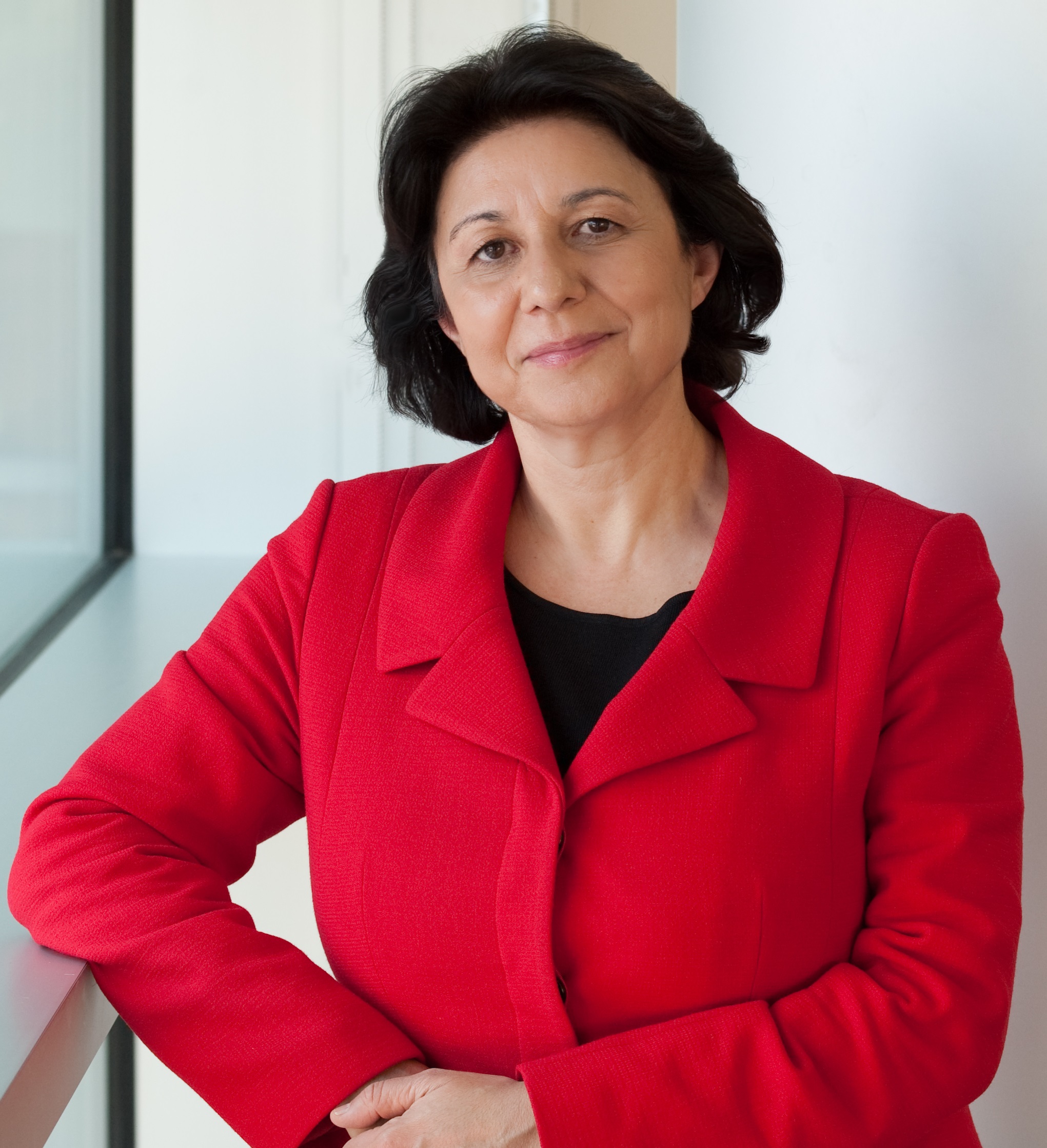
“Annamaria Lusardi standing” by Julie Ann Woodford Photography 
abr 28, 2015Efec
A Sant Jordi regala educació financera En Sant Jordi regala educación financiera Jocs de rol i educació financeraJuegos de rol y educación financiera
Newsletter

IEF
Agenda
  • Anterior
  • Siguiente
Print View
octubre 2014
L M X J V S D
29 30 1 2 3 4 5
6 7 8 9 10 11 12
13 14 15 16 17 18 19
20 21 22 23 24 25 26
27 28 29 30

Categoría: GeneralV Conferencia sobre Educación Financiera

Cerrar

30 octubre, 2014 10:00 am – 4:00 pm

Mapa C/ del Caballero de Gracia, 28.

ACTO DE APERTuRA
10:00h-10:30h
10:30h-11:00h
Bienvenida y Presentación de la V Conferencia
José María Méndez Álvarez-Cedrón.
Director General. CECA.
Pablo Gasós y Casao.
Director de Estudios, Estadiś tica y Publicaciones, CNMv.
Julio Gil Dolz.
Jefe División Relaciones Clientela Bancaria, Departamento de Conducta
de Mercado y Reclamaciones, Banco de Espanã .
12:00h-12:30h
Presentación Informe PISA.
Ismael Sanz Labrador.
Director del Instituto de Evaluación Educativa,
Ministerio de Educación, Cultura y Deporte.
11:00h-12:00h Mesa Redonda Entidades - Mediadores
ENTIDAD: Sergio Corral Delgado.
Gabinete Técnico de Unicaja. Miembro del Proyecto Edufinet.
MEDIADORES: Andrés Ángel González Medina.
Profesor de Secundaria de Economía de la Consejeriá de Educación,
Cultura y Deporte de la Junta de Andaluciá .
ENTIDAD: Ana Farré Gaudier.
Responsable del Programa de Educacioń Financiera, Ibercaja.
MEDIADORES: Fernando Sarasa.
Miembro del voluntariado corporativo de Ibercaja Obra Social del
Programa de Educacioń Financiera.
MODERADOR: Juan Carlos López Díaz.
Responsable de Educacioń Financiera. CECA.
PAuSA.
12:30h -13:45h Iniciativas Proveedores
Servicios Educación Financiera
Juan José Velasco.
Director del Instituto Aviva y Director de Comunicacioń ,
Marca y RSC de Aviva.
Pablo Capell.
Socio director, Post55-Canal Sénior.
Andrés López.
Director de Prensa y Comunicaciones, El Recetario Financiero.
Nicolás Montigneaux.
Socio Director, Kidekom.
Juan Miguel Gómez Berbis.
Director General Universo Idea.
MODERADOR: Pilar Cano.
Relaciones Institucionales. CECA.
SALÓN DE ACTOS·C/ Caballero de Gracia, 28 · Madrid
ClAuSuRA
14:00h -15:00h Premios de Obra Social y Educación Financiera
de Actualidad Económica.
15:00h -16:00h Copa de Vino Español

V Conferencia sobre Educación Financiera
Cerrar
31 1 2

Categorías

  • General
EFFEC
Tags
EspañaEDUCACION FINANCIERAEducació Financerafinancial literacyEducaciónjóvenesahorroIEFocdeUSAcatalunyafinanzas personalesmaterial docenteEFECamerica latinaUEeconomía domésticaeuropapisaUKcnmvinversorEducaciójubilaciónefpaPROGRAMA EFECappcatalàdinerodinerseducació financieranensniñoscrèditcréditofinances personalscrisishipotecaresearchwebAgendaDebtpayday loanscinechile
Newsletter

IEF
2014 © Educació Financera